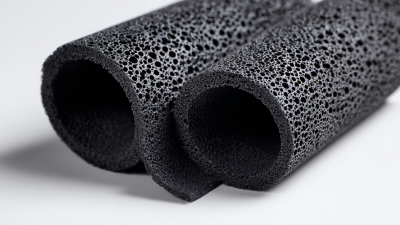
Lately, there’s been a real buzz around high-performance materials across a bunch of industries, and FVMQ Rubber (that’s Fluorosilicone Rubber, for those wondering) has definitely caught everyone's attention. It’s become such a go-to solution for stuff that needs to handle tough conditions — think heat, chemicals, and just plain durability. As we get closer to 2025, we’re actually seeing FVMQ Rubber make its way into more and more sectors, like automotive, aerospace, and oil and gas. This stuff isn’t just meeting the tough standards; it’s actually helping boost performance and safety across the board.
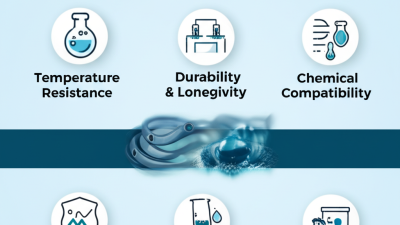
What makes FVMQ Rubber really stand out are its standout features, like its resistance to fuel and oil, its flexibility even in extreme temperatures, and its impressive dielectric strength. Because of these qualities, it’s perfect for sealing things up—gaskets, components, you name it—especially in environments that are pretty rough. Plus, with new manufacturing tricks up the sleeve, it’s only going to get better, making it an essential material for engineers and designers looking for dependable performance no matter how challenging the conditions. When you look into the main ways FVMQ is being used and the new tech coming out, it’s pretty clear that we’re only going to see its role grow even more in the future.

Top Benefits of FVMQ Rubber in Leading Applications
Fluorosilicone rubber, commonly known as FVMQ, is gaining traction in various industries due to its unique properties and superior performance in challenging environments. One of the major benefits of FVMQ rubber is its exceptional resistance to a wide range of chemicals, making it an ideal material for applications in the aerospace and automotive sectors. According to a recent report by the Global Rubber Market Analysis, the demand for high-performance rubber materials, including FVMQ, is expected to reach $7.5 billion by 2025, driven primarily by these critical industries that require durability and resilience.
In the automotive industry, FVMQ rubber plays a pivotal role in enhancing the longevity of components exposed to extreme temperatures and aggressive fluids. Its ability to maintain flexibility and resist aging under harsh conditions is vital for the production of seals, gaskets, and hoses. Furthermore, the increasing adoption of electric vehicles is pushing manufacturers to seek materials that not only offer excellent thermal stability but also help reduce weight and improve energy efficiency, making FVMQ an attractive option. Industry analysts predict that as more automotive manufacturers explore innovative materials for vehicle production, the market for FVMQ rubber will experience significant growth, paving the way for advanced technologies in vehicle design and functionality.
In addition to automotive applications, FVMQ's versatility positions it favorably in the aerospace sector. The 2023 Aerospace Materials Market Report highlights that FVMQ's ability to withstand extreme temperatures ranging from -60°C to 200°C and its compatibility with jet fuels and lubricants significantly enhance its usability in aircraft components. This capability is essential as the aerospace industry increasingly prioritizes safety and efficiency, resulting in a growing demand for robust sealing solutions. Overall, as the technology landscape evolves, FVMQ rubber's distinct advantages are likely to play a crucial role in meeting the demands of leading applications across multiple sectors.
Introduction to FVMQ Rubber: Composition and Properties
FVMQ rubber, or fluorovinylmethylsiloxane rubber, is a type of silicone elastomer that exhibits remarkable properties, making it suitable for a range of demanding applications. Its unique composition, which combines silicon, oxygen, and fluorine atoms, contributes to its exceptional thermal stability, chemical resistance, and weatherability. According to a report by ResearchAndMarkets.com, the global silicone rubber market, including FVMQ, is projected to grow at a CAGR of over 4.5% from 2021 to 2026, highlighting the increasing demand for high-performance materials in various industries.
One of the standout properties of FVMQ rubber is its resistance to extreme temperatures, remaining functional in a range from -70°C to 200°C. This makes it an ideal choice for applications in the automotive, aerospace, and chemical processing industries, where exposure to harsh environments is common. A report from Transparency Market Research notes that the automotive sector alone accounted for approximately 28% of the silicone rubber market share in 2021, emphasizing the critical role of advanced materials like FVMQ in enhancing vehicle performance and safety.
Furthermore, FVMQ rubber demonstrates excellent resistance to fuels, oils, and various solvents, making it essential in the production of gaskets, seals, and O-rings. The ability to maintain performance under aggressive chemical exposure is a key factor driving its adoption in demanding applications. An analysis by MarketWatch indicates that the chemical processing industry is expected to see substantial growth in the use of specialized elastomers, with FVMQ playing a pivotal role due to its unrivaled durability and reliability.
Key Advantages of FVMQ Rubber Over Other Elastomers
Fluorosilicone rubber, or FVMQ rubber, stands out in various industrial applications due to its exceptional chemical resistance and thermal stability. Its unique properties enable it to outperform traditional elastomers like silicone and EPDM, particularly in sectors such as aerospace, automotive, and chemical processing. According to a 2023 market report by Freedonia Group, the demand for FVMQ rubber is expected to grow by over 5% annually, driven by its resilience in extreme environments and its compatibility with aggressive chemicals.
One of the key advantages of FVMQ rubber is its ability to maintain flexibility and integrity at elevated temperatures, exceeding 200°C. This is crucial for applications that involve exposure to high heat and potential thermal degradation, which many conventional elastomers cannot withstand. Furthermore, FVMQ rubber shows superior resistance to oil and fuel contaminants, making it a preferable choice for automotive seals and gaskets where exposure to harsh substances is common.
Tip: When selecting materials for high-performance applications, consider the long-term cost implications of using superior elastomers like FVMQ. While initial costs may be higher, the durability and reliability can lead to reduced maintenance and replacement costs over time. Planning for these elements can enhance overall project efficiency and longevity.
Another significant benefit is its impressive electrical insulation properties, rendering it an excellent candidate for electrical applications. The electrical insulation performance is reported to remain stable even in extreme conditions, making FVMQ rubber ideal for critical aerospace components where safety and reliability are paramount.
Tip: Always evaluate the specific environmental conditions of your application when choosing elastomers. Customizing rubber formulations with FVMQ can provide tailored solutions that meet unique challenges, enhancing both performance and safety across various applications.
Leading Applications of FVMQ Rubber in the Automotive Industry
Fluorosilicone rubber (FVMQ) has gained significant traction in the automotive industry due to its unique properties that enhance vehicle performance and safety. According to a recent report by the International Rubber Study Group, the demand for specialty rubbers like FVMQ is projected to rise by 5% annually through 2025, reflecting the material's versatility and effectiveness in high-performance applications. One of the major advantages of FVMQ rubber is its excellent resistance to extreme temperatures and harsh environmental conditions, making it ideal for seals and gaskets in engines and fuel systems. This capability not only extends the lifespan of automotive components but also improves overall vehicle reliability.
In addition to temperature resilience, FVMQ rubber demonstrates exceptional chemical resistance, particularly to fuels, oils, and other automotive fluids. A study by Freedonia Group estimates that the automotive sector accounts for approximately 30% of the FVMQ market share, indicating a robust demand for this material in critical applications such as fuel system components and electrical insulation. As the automotive industry increasingly shifts towards electric vehicles, the role of FVMQ rubber is likely to expand, given its suitability for high-voltage applications and battery components where thermal stability is paramount. Thus, FVMQ rubber is set to be a key player in the future of automotive technologies, driving advancements that prioritize safety and performance.
Use of FVMQ Rubber in Aerospace and Defense Technologies
FVMQ rubber, or fluorinated silicone rubber, has gained significant traction in aerospace and defense applications due to its unique properties that enhance performance in extreme environments. As reported in the "2023 Compounded Rubber and Polymer Market Analysis", FVMQ boasts superior thermal stability, chemical resistance, and weathering resistance, which are essential in aerospace components that must withstand extreme temperatures and variable environmental conditions. These characteristics enable FVMQ rubber to maintain integrity in critical sealing and insulation applications, contributing to the overall reliability and safety of aerospace systems.
In defense technologies, the use of FVMQ rubber is becoming increasingly important in applications requiring lightweight materials that do not compromise strength and resilience. According to the "2024 Aerospace and Defense Material Innovations Report", materials such as FVMQ are projected to see an increase in adoption, especially in systems where performance and safety are paramount. The ability of FVMQ to resist fuels, oils, and various harsh chemicals enhances its suitability for military equipment and aircraft, ensuring optimal performance in tactical environments. As a forward-looking material, FVMQ is positioned to play a crucial role in advancing aerospace and defense technologies, aligning with industry growth forecasts that predict a 5% annual increase in demand for high-performance elastomers by 2025.
FVMQ Rubber in Medical Devices and Pharmaceutical Packaging
FVMQ rubber, or fluorinated vinyl methyl silicone rubber, is rapidly gaining popularity in the medical devices and pharmaceutical packaging sectors due to its unique properties. This versatile material offers exceptional resistance to high temperatures, chemical exposure, and weathering, making it ideal for applications that require durability over time. In medical devices, FVMQ's biocompatibility is essential, ensuring that it does not adversely affect biological systems, which is crucial for components such as gaskets, seals, and tubing that come into direct contact with patients.
In pharmaceutical packaging, FVMQ rubber provides an impermeable barrier to moisture and gases, preserving the integrity and efficacy of sensitive medications. This characteristic is particularly important in ensuring that products like injectables and biologics maintain their stability and shelf life. Moreover, the ease of manufacturing intricate designs with FVMQ allows for customizable solutions tailored to specific product requirements, enhancing both functionality and safety in pharmaceutical applications. As the demand for advanced medical devices and secure pharmaceutical packaging grows, FVMQ rubber stands out as a material of choice, driving innovation and quality in these essential sectors.
Innovations and Emerging Technologies Utilizing FVMQ Rubber
Fluoroelastomer rubber, particularly FVMQ, is gaining traction in various industries due to its unique properties such as high thermal stability, chemical resistance, and elasticity. As we progress into 2025, innovations utilizing FVMQ rubber are emerging across several key applications. In the automotive sector, for instance, advancements in engine design and fuel systems are increasingly integrating FVMQ for improved sealing solutions that withstand harsh operating conditions. This not only enhances performance but also extends the lifespan of components, reducing maintenance costs.
In the field of electronics, FVMQ rubber is being utilized for its excellent dielectric properties, making it an ideal candidate for insulation and protection in advanced electronic devices. With the rapid growth of the electric vehicle market and renewable energy technologies, the demand for reliable materials capable of enduring extreme temperatures and corrosive environments is on the rise. FVMQ rubber is proving to be pivotal in developing new solutions that meet these evolving needs, paving the way for innovations in battery technology and sustainable energy systems. The ongoing research and development in this field underscore the material's potential to revolutionize multiple sectors by driving enhancements in efficiency, safety, and reliability.
Future Trends and Market Potential for FVMQ Rubber in 2025
The future landscape of fluorosilicone rubber (FVMQ) in 2025 presents a multitude of opportunities driven by technological advancements and evolving market demands. With its exceptional resistance to extreme temperatures and chemical exposure, FVMQ rubber is poised to dominate industries such as aerospace, automotive, and specialized manufacturing. These sectors are increasingly seeking materials that not only enhance performance but also ensure long-term durability under challenging conditions. As green technologies gain traction, FVMQ rubber's ability to withstand harsh environments while being relatively low in toxicity makes it an attractive choice for sustainable practices.
In terms of market potential, the anticipated growth in electric vehicle (EV) manufacturing and renewable energy applications highlights a promising trajectory for FVMQ rubber. The increasing reliance on advanced materials that can meet stringent safety and performance standards in EVs and battery technologies signifies a critical role for FVMQ. Moreover, innovations in the production processes aimed at enhancing the material's properties while reducing costs are likely to further propel its adoption across various sectors. As industries adapt to new regulations and sustainability goals, the demand for FVMQ rubber is expected to expand, making it a key player in the market landscape of 2025.
FAQS
: FVMQ rubber offers exceptional chemical resistance, ability to withstand extreme temperatures (-60°C to 200°C), flexibility under harsh conditions, and durability, making it suitable for industries like aerospace and automotive.
FVMQ rubber is primarily used in the automotive and aerospace industries, particularly for applications involving seals, gaskets, and components exposed to aggressive fluids and extreme temperatures.
FVMQ rubber enhances vehicle performance by improving the longevity of components, maintaining flexibility, and providing resistance to extreme temperatures and chemicals, which increases overall vehicle reliability.
FVMQ rubber is increasingly sought after in electric vehicles due to its excellent thermal stability, reduced weight, and suitability for high-voltage applications, supporting advancements in energy efficiency.
FVMQ rubber's superior thermal stability, chemical resistance, and weathering resistance make it ideal for aerospace applications, particularly in critical sealing and insulation tasks in environments with extreme temperatures.
FVMQ rubber is projected to see increased adoption in aerospace and defense due to its lightweight properties and strength, enhancing performance and safety in military and aircraft applications.
The demand for FVMQ rubber is expected to rise significantly, with industry analysts predicting a 5% annual increase through 2025, driven by the automotive shift towards high-performance materials and electric vehicles.
FVMQ rubber's chemical resistance is essential for automotive applications as it protects seals and gaskets from fuels, oils, and other automotive fluids, thereby extending component lifespan and enhancing reliability.
By being lightweight and thermally stable, FVMQ rubber contributes to reducing overall vehicle weight and improving energy efficiency, which is crucial for modern automotive design.
FVMQ rubber's weathering resistance is significant as it ensures that components can withstand variable environmental conditions without degrading, which is vital for both aerospace and automotive applications.
Conclusion
FVMQ Rubber, known for its unique composition and exceptional properties, presents numerous advantages over other elastomers, making it an ideal material for a variety of industries. Its resilience to extreme temperatures and chemical resistance underlines its significance in leading applications such as the automotive sector, aerospace and defense technologies, and medical devices, including pharmaceutical packaging.
As we look towards 2025, FVMQ Rubber is poised to play a pivotal role in emerging technologies and innovations. Its adaptability not only enhances performance but also meets the increasing demand for reliable materials in high-pressure scenarios. The future market potential for FVMQ Rubber is substantial, indicating a growing trend towards utilizing this versatile elastomer across various cutting-edge applications.