0%

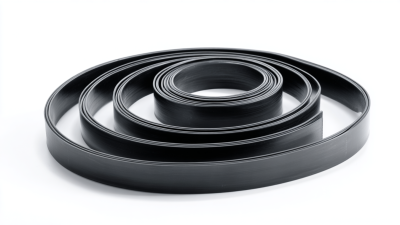
When you're choosing Fluoroelastomer Strips, there's quite a bit to consider. This material is actually pretty versatile—it works well in all sorts of settings like automotive, aerospace, and beyond. They’re great because they offer excellent chemical resistance and are really flexible, which makes them perfect for sealing up stuff or providing insulation.

That said, you'll want to think about what your specific project needs. Things like temperature limits, thickness, and hardness really matter here. Different industries have their own requirements, so what works in one place might not in another. For example, if you're dealing with high-pressure environments, thicker strips could be the way to go.

Also, not all Fluoroelastomer Strips are the same, so doing a bit of homework can save you a headache later. Understanding what you need makes it easier to avoid costly mistakes. And don’t forget—checking out reputable vendors is super important. Companies like XYZ Corporation have the expertise to help guide you toward the right choice. At the end of the day, this decision could really make or break your project, so take your time with it.

How to Choose Fluoroelastomer Strips for Your Applications?

Understanding the Basics of Fluoroelastomers and Their Properties

Fluoroelastomers are unique materials known for their chemical resistance and thermal stability. They can withstand harsh environments. This makes them ideal for numerous applications. Industries often use them in sealing solutions, gaskets, and O-rings. Their flexibility is another key feature. They can maintain elasticity over a wide temperature range, enhancing their utility.

Understanding the properties of fluoroelastomers is essential. These materials are also resistant to oils, fuels, and solvents. However, not all fluoroelastomers are the same. Variations exist in terms of composition and performance. It’s crucial to evaluate specific needs before choosing a strip. The hardness and thickness of the material play significant roles in effectiveness.

Real-world testing and adaptation are important when selecting fluoroelastomers. A perfect match is rare. Often, adjustments must be made after initial applications. Feedback is valuable in refining choices. Consider how the material reacts over time. This ongoing reflection can lead to better choices in future projects.

Key Applications of Fluoroelastomer Strips in Industry

Fluoroelastomer strips are essential in various industries. They offer high resistance to heat, chemicals, and aging. This makes them ideal for applications in the automotive sector. In engines, these strips can endure extreme temperatures and harsh chemical exposure. They help seal fuel systems and reduce emissions, enhancing performance.

In the aerospace industry, fluoroelastomer strips are crucial. They ensure tight seals in fuel tanks and engines. These strips prevent leakage, which is vital for safety. However, the selection process can be tricky. Not every strip fits all applications perfectly. Testing and evaluation are necessary.

Chemical processing plants also rely heavily on these strips. They prevent leaks during the transport of corrosive substances. Yet, choosing the wrong strip may lead to failure and costly downtime. It is essential to consider the specific chemical interactions. Each application demands careful thought and diligence. Experienced engineers can make a significant difference in these selections.

Factors to Consider When Selecting Fluoroelastomer Strips

When selecting fluoroelastomer strips, several critical factors must be considered. The environment in which these strips will operate is crucial. For instance, temperatures can impact their performance. Studies show that fluoroelastomers maintain structure in temperatures ranging from -20°C to 200°C. However, extreme conditions may still compromise their integrity.

Chemical resistance is another key factor. These materials demonstrate excellent chemical stability. They can withstand various harsh chemicals, including acids and solvents. However, not all fluoroelastomers resist every chemical. Understanding the specific chemicals your application involves is essential. For example, some fluoroelastomers may degrade in the presence of certain amines or ketones.

Additionally, think about the physical properties needed for your application. Fluoroelastomer strips come in varying durometers. Softer grades may offer better flexibility, while harder grades enhance durability. A study indicated that parts with softer strips exhibited a 20% decrease in wear over time compared to harder ones. However, balance is necessary—too soft may lead to premature failure. Optimization in selection can significantly impact long-term performance and reliability in applications.

How to Choose Fluoroelastomer Strips for Your Applications?

Factor Description Importance Level
Temperature Resistance Ability to withstand various temperatures without degradation. High
Chemical Resistance Resistance to a wide range of chemicals and fluids. Critical
Compression Set Ability to retain shape after compressive stress. Moderate
Clarity Transparency level required for the application. Low
Application Environment Whether the use is indoors, outdoors, or in extreme conditions. High
Aging Stability Ability to perform over time under stress. High

Evaluating the Chemical Resistance of Fluoroelastomer Strips

When choosing fluoroelastomer strips, chemical resistance is crucial. Different applications expose these materials to various chemicals. Understanding which fluoroelastomer performs best in specific environments is key. You must consider factors like temperature, pressure, and exposure time. Each chemical interacts uniquely with fluoroelastomers. For instance, some may degrade quickly under harsh conditions, while others perform exceptionally well.

Conducting a thorough chemical resistance evaluation helps predict performance. It's beneficial to consult compatibility charts. Testing samples in controlled settings provides additional insights. However, results can vary. The same material may behave differently in real-world scenarios. Keep an eye on environmental factors. Long-term exposure can lead to unforeseen failures. Consider potential changes in the chemical environment during use. If possible, seek feedback from others in similar applications. Their experiences can highlight potential pitfalls.

Evaluation of Chemical Resistance for Fluoroelastomer Strips

Comparing Temperature Tolerance in Different Fluoroelastomer Types

How to Choose Fluoroelastomer Strips for Your Applications?

When selecting fluoroelastomer strips, temperature tolerance is crucial. Different types of fluoroelastomers exhibit varying levels of thermal resistance. For instance, some can withstand temperatures as high as 200°C, while others may only function effectively up to 150°C. This variance impacts their application in harsh environments.

Understanding the temperature range is vital. Choosing a strip that exceeds application requirements can lead to premature failure. If a product operates above recommended limits, it may degrade faster than expected. This degradation could manifest as cracking or loss of flexibility.

In contrast, selecting a strip rated for lower temperatures can limit functionality. It’s essential to evaluate the specific operational conditions. Consider peak temperatures and duration of exposure. This analysis may require consultation with technical experts. Sometimes the ideal choice isn't immediately clear. Careful consideration and testing are necessary to ensure optimal performance.

Assessing the Mechanical Strength of Fluoroelastomer Strips

How to Choose Fluoroelastomer Strips for Your Applications?

When assessing the mechanical strength of fluoroelastomer strips, it’s essential to focus on several key factors. First, you must consider the tensile strength. This determines how much force the material can withstand without breaking. Look for strips that offer high tensile strength, especially for applications under extreme conditions.

Another important aspect is the elongation at break. This measurement showcases how much the strip can stretch before it fails. A higher elongation at break can be crucial in applications where flexibility is needed. However, too much elongation might indicate a weaker material. Thus, finding a balance is vital.

You should also evaluate the hardness of the strips. Harder materials may provide better wear resistance but can be more brittle. This could lead to unexpected failures. It’s important to test the hardness in real conditions to see how the strips perform over time. Lastly, each application is unique. An unsuitable choice of fluoroelastomer strip can lead to disappointing results. Reflect on your specific needs and reassess your selections frequently.

Cost-Effectiveness and Performance Metrics of Fluoroelastomers

When selecting fluoroelastomer strips, cost-effectiveness is crucial. Fluoroelastomers excel in resisting heat, chemicals, and aging. According to a 2022 market analysis, the average cost of fluoroelastomers is significantly higher than conventional rubber. However, their durability can lead to less frequent replacements. This means fewer maintenance costs in the long run.

Performance metrics reveal a noteworthy strength in extreme environments. Fluoroelastomers can withstand temperatures ranging from -20°C to 280°C. They maintain flexibility during thermal cycling, reducing the risk of failure. A study indicated that components made from fluoroelastomers had a service life up to three times longer than those made from traditional materials.

Yet, not all applications require such advanced characteristics. For some projects, the high initial cost may not justify the benefits. Companies must assess their specific operational needs carefully. Misuse can lead to unnecessary expenses, detracting from the intended efficiency. Therefore, a tailored approach is needed when choosing fluoroelastomer strips, ensuring performance metrics align with budgetary constraints.

FAQS

: What are the main benefits of using this service?

: Users can save time on tasks. Increased efficiency is common. It's designed to simplify processes for everyone.

How can I get started with this service?

Register online and complete the setup. Make sure to provide accurate information for better results.

Is there a customer support feature?

Yes, customer support is available. You can reach out via email or chat for assistance with issues.

What should I do if I face issues during use?

Troubleshoot common problems first. If that fails, contact customer support for more specific help.

Are there any privacy concerns with using this service?

Privacy is important. Users need to review privacy policies carefully to understand data handling.

Can I access the service on mobile devices?

Yes, the service is accessible on various devices. Make sure your internet connection is stable.

How do I provide feedback about the service?

Users can submit feedback through the website. Constructive feedback helps improve user experience.

Can I make changes to my account information?

Yes, users can update their information. Ensure all details are current for seamless service use.

Will I receive updates about new features?

Yes, users are notified about new features. Staying informed enhances the overall experience.

What if I forget my password?

Use the password recovery option on the website. Follow the prompts to reset your password easily.

Conclusion

Fluoroelastomer strips are essential materials in various industrial applications due to their exceptional properties. Understanding the basics of fluoroelastomers, including their chemical resistance, temperature tolerance, and mechanical strength, is crucial for selecting the appropriate strips for specific tasks. Industries frequently utilize these strips in environments that demand high performance against aggressive chemicals and extreme temperatures.

When choosing fluoroelastomer strips, factors such as the intended application, required durability, and cost-effectiveness must be carefully considered. Evaluating these characteristics ensures that the selected fluoroelastomer strip not only meets performance metrics but also provides long-term reliability and value in demanding applications. Thus, a thorough assessment of these key factors can significantly enhance the effectiveness of fluoroelastomer strips in diverse industrial settings.

Eleanor

Eleanor

Eleanor is a seasoned marketing professional at Sichuan Fudi New Energy Co., Ltd, a company that has been at the forefront of fluoroelastomer production since 1998. With over 20 years of experience in the industry, Eleanor possesses an exceptional understanding of fluorinated rubber materials,......
Previous Optimizing Performance: Innovative Solutions Using FKM Material Properties