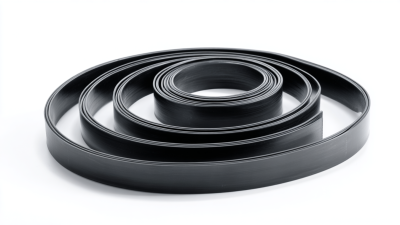
When you're choosing materials for really tough applications, FKM rubber totally stands out. It's known for its impressive features like handling high temperatures, resisting chemicals, and lasting a long time. I read in a market report from Grand View Research that the global FKM rubber market is predicted to hit around 1.5 billion USD by 2025, growing at about 6.2% CAGR. That’s a pretty clear sign that demand is rising, especially in industries like automotive, aerospace, and oil & gas—where dependability and top-notch performance are everything.
As industries keep evolving, it’s really important for engineers and project managers to get a good grasp on what makes FKM rubber special. Its versatility means you can use it for all sorts of stuff—like seals, gaskets, and high-performance O-rings. One of its biggest strengths? The fact that it can handle aggressive chemicals and extreme temps—anywhere from -20°C all the way up to over 200°C—making it a go-to choice for projects that need to stand up to harsh conditions. So, if you're thinking about picking out the right kind of FKM rubber for your next project, it’s a good idea to know some key tips. That way, you’ll get the best performance and longevity out of your materials.
Hope that helps you get a clearer picture of why FKM rubber is such a big deal!
FKM rubber, also known as fluoroelastomer, is renowned for its remarkable resistance to extreme temperatures, chemicals, and environmental factors, making it ideal for a variety of demanding applications. One of the key properties of FKM rubber is its ability to maintain flexibility and resilience in high-temperature settings, often exceeding 200°C (392°F). This thermal stability ensures that components made from FKM rubber are reliable even in severe thermal cycling, such as those found in automotive and aerospace applications.
Another significant property of FKM rubber is its exceptional chemical resistance. It is impervious to a wide range of solvents, fuels, and oils, making it a preferred choice for sealing and gasket applications in chemical processing industries. The material's ability to resist both reactive chemicals and aging means that products created from FKM rubber can ensure longer life cycles and reduced maintenance costs. Additionally, its superior abrasion resistance equips it for use in machinery and equipment exposed to wear and tear, demonstrating the versatility and robustness FKM rubber offers across a spectrum of industrial applications.
When selecting FKM rubber for your project, several critical factors should guide your decision-making process. First and foremost, consider the specific application demands of your project. FKM rubber is known for its excellent resistance to heat, chemicals, and weathering, making it suitable for various applications, from automotive to aerospace. Therefore, understanding the operating conditions and the environmental factors that the rubber will face is essential in ensuring long-lasting performance.
Another vital aspect to examine is the durometer hardness of the FKM material. This property affects the rubber's flexibility and resilience, directly influencing how well it will perform under stress. A suitable durometer selection ensures that the material can endure the stresses specific to your project while maintaining an optimal sealing function or structural integrity. Additionally, review the available grades of FKM rubber, as different formulations may offer tailored properties such as improved low-temperature performance or enhanced resistance to particular chemicals, making them more suitable for your project's unique requirements.
When selecting materials for various projects, FKM rubber stands out due to its unique properties that make it highly suitable for demanding applications. One of its primary advantages is its exceptional resistance to high temperatures and aggressive chemicals, which surpasses that of many other elastomers. This allows FKM rubber to maintain performance and stability in environments that would typically cause failure in alternatives such as nitrile or standard rubber.
To make an informed decision, consider the operating conditions of your project. High temperatures, exposure to chemicals, and mechanical stress should guide your choice towards FKM rubber. It is crucial to understand the specific requirements of your application—including the duration of exposure to harsh environments—to fully leverage FKM’s capabilities.
Another important tip is to evaluate the compatibility of FKM with other materials used in your project. FKM rubber not only excels in chemical resistance but also demonstrates excellent aging and weathering properties, ensuring longevity. This reliability can significantly reduce maintenance costs and downtime in the long run, making it an economically wise choice for critical components.
When selecting FKM rubber for your next project, understanding its temperature and chemical resistance is paramount. FKM, also known as fluorocarbon rubber, is highly regarded for its exceptional ability to withstand extreme temperatures, operating efficiently in environments ranging from -20°C to 200°C (-4°F to 392°F). According to a recent report by the International Rubber Study Group, FKM's thermal stability surpasses that of many other elastomers, making it suitable for applications in the automotive and aerospace industries where reliability under heat is crucial.
In addition to thermal resistance, FKM displays outstanding chemical compatibility, particularly with aggressive substances such as fuels, oils, and various chemicals. Research from the American Chemical Society indicates that FKM exhibits resistance to over 200 different chemicals, which makes it a preferred choice in sectors such as chemical processing and oil and gas. When assessing your project requirements, consider not only the temperature limits but also the specific chemicals the rubber will encounter. This understanding will ensure that you select the right grade of FKM that aligns perfectly with your operational demands, thereby enhancing the longevity and performance of your products.
When budgeting for FKM rubber solutions, it's crucial to consider the overall costs associated with acquiring high-performance materials. FKM rubber, known for its excellent resistance to heat, chemicals, and weathering, can lead to significant long-term savings. A study by the National Institute of Standards and Technology indicates that although the initial costs of FKM rubber may be higher than other elastomers, its durability can reduce maintenance and replacement expenses over the product's lifecycle by up to 30%. This makes FKM a cost-effective choice for industries where material performance is critical.
Additionally, companies should evaluate the total cost of ownership (TCO) when planning their budgets. TCO includes not only the purchase price of FKM rubber but also installation, operation, and potential downtime costs. According to a report from the American Chemistry Council, the performance properties of FKM rubber can enhance machinery efficiency by about 15%, thereby minimizing operational costs. As industries increasingly adopt advanced materials like FKM, understanding these cost implications becomes essential for project managers looking to optimize spending while ensuring quality and reliability in critical applications.
FKM rubber, known for its exceptional heat, chemical, and weather resistance, is widely utilized in various industries where durability is paramount. One of the primary applications of FKM is in the automotive sector, where it is employed in gaskets, seals, and fuel systems. Its ability to withstand high temperatures and corrosive fuels makes FKM an ideal choice for ensuring reliability and performance in vehicles. Additionally, the oil and gas industry relies heavily on FKM rubber for sealing components and hoses, as it can endure harsh environments without degradation.
Moreover, FKM rubber finds its way into aerospace and industrial manufacturing applications. In aerospace, it is frequently used in fuel systems, hydraulic seals, and even in components that demand precision and resilience under extreme conditions. Similarly, in industrial settings, FKM is essential for processing equipment and machinery that encounter aggressive chemicals and varying thermal conditions. Its versatility and robust properties make FKM rubber a preferred material choice across these critical sectors, where safety and longevity are essential.
When sourcing quality FKM rubber suppliers and products, it is essential to begin with thorough research. Start by identifying suppliers with a proven track record in manufacturing high-quality FKM products. Look for certifications and industry standards that indicate compliance with performance and safety requirements. Reputable suppliers often provide detailed information about their manufacturing processes, as well as material specifications, allowing you to make informed decisions based on your project’s specific needs.
Additionally, consider the supplier's customer service and support. A reliable supplier should offer responsive communication, technical assistance, and guidance throughout the sourcing process. Engaging with previous customers can provide insights into their experiences and help you gauge the supplier's reliability. Lastly, assess the supplier's ability to meet your project's timeline and volume requirements. Building a strong relationship with a quality FKM rubber supplier can ultimately lead to improved product performance and project success.
| Tip Number | Tip | Details |
|---|---|---|
| 1 | Understand FKM Properties | Familiarize yourself with the temperature resistance and chemical compatibility of FKM rubber. |
| 2 | Consider Application Type | Choose the right grade of FKM based on your specific industry needs. |
| 3 | Evaluate Supplier Certifications | Check for ISO certifications or other industry-specific standards. |
| 4 | Request Material Samples | Always test material samples to verify quality and performance. |
| 5 | Evaluate Cost vs. Quality | Balance between sourcing cost-effective options and maintaining quality. |
| 6 | Read Reviews and Testimonials | Look for customer feedback to assess supplier reliability. |
| 7 | Inquire About Production Processes | Ensure the supplier uses advanced production techniques for better durability. |
| 8 | Check for Customization Options | Ask suppliers if they offer tailored solutions based on your project needs. |
| 9 | Ensure Timely Deliveries | Discuss lead times and the ability to meet project deadlines. |
| 10 | Establish Clear Communication | Maintain open lines for effective collaboration and support throughout the project. |
: FKM rubber, also known as fluoroelastomer, is recognized for its excellent resistance to extreme temperatures, chemicals, and environmental factors. It maintains flexibility and resilience at high temperatures, often exceeding 200°C (392°F), which ensures reliability in severe thermal cycling.
FKM rubber exhibits remarkable thermal stability, allowing it to remain flexible and resilient even in high-temperature settings, making it suitable for applications in automotive and aerospace fields.
FKM rubber is impervious to a wide range of solvents, fuels, and oils. This exceptional chemical resistance, along with its ability to resist aging, ensures longer life cycles for components and reduces maintenance costs.
FKM rubber is widely utilized in the automotive, oil and gas, aerospace, and industrial manufacturing industries, where durability and performance are crucial.
In the automotive industry, FKM rubber is primarily used in gaskets, seals, and fuel systems due to its ability to withstand high temperatures and corrosive fuels.
The oil and gas industry utilizes FKM rubber for sealing components and hoses, as it can endure harsh environments without degradation.
FKM rubber is frequently used in aerospace for fuel systems and hydraulic seals due to its precision, resilience, and ability to perform under extreme conditions.
In industrial manufacturing, FKM rubber is essential for processing equipment and machinery that are exposed to aggressive chemicals and varying thermal conditions, providing versatility and robustness.
Due to its superior chemical and abrasion resistance, components made from FKM rubber can have longer life cycles, resulting in reduced maintenance costs in various applications.
FKM rubber's combination of high-temperature resistance, chemical impermeability, and abrasion resistance makes it a preferred choice across multiple critical sectors, ensuring safety and longevity in demanding applications.
Choosing FKM Rubber for your next project requires a thorough understanding of its key properties, which include excellent chemical and temperature resistance, making it suitable for various applications. When selecting FKM Rubber, consider factors such as compatibility with the intended environment, specific performance requirements, and cost implications. FKM Rubber offers comparative advantages over other materials, particularly in terms of durability and resistance to harsh conditions.
Budgeting for FKM Rubber solutions is essential, as prices can vary widely based on quality and source. Common applications for FKM Rubber span multiple industries, including automotive, aerospace, and chemical processing. To ensure you are sourcing quality FKM Rubber products, it is crucial to identify reputable suppliers and verify the specifications of the materials they offer. By considering these tips, you can make informed decisions and optimize the performance of your projects using FKM Rubber.