When you look into the world of materials, FKM rubber really stands out thanks to its unique qualities. Dr. Emily Chen, who's a big name at Global Rubber Innovations, once said, "FKM rubber isn't just about being tough; it's pretty much a game-changer across lots of industries." The thing is, this stuff offers fantastic resistance to heat and chemicals, making it super versatile for all sorts of uses.
But here's the thing—despite all these perks, FKM rubber often gets misunderstood. Lots of buyers don’t really realize just how versatile and dependable it is. When you think about the performance it delivers, it can seriously cut down on maintenance costs, especially in heavy-duty industrial settings. Take the automotive industry as an example—components made from FKM tend to last longer and handle extreme conditions way better.
As folks around the world are on the hunt for the best options, it’s super important to choose the right suppliers. Not all FKM rubber is created equal, you know? Companies really need to focus on quality and make sure they're sticking to the right standards. The future of FKM rubber depends largely on this dedication to quality, because only then can we count on it being reliable no matter what application it’s used in.

Overview of FKM Rubber Material and Its Properties
FKM rubber, known for its superior performance, is a popular choice for various industrial applications. This material is particularly recognized for its resistance to extreme temperatures, chemicals, and environmental factors. Reports indicate that FKM can endure temperatures ranging from -20°C to 250°C. This wide range makes it suitable for diverse settings, including automotive, aerospace, and oil and gas industries, where reliability is crucial.
The properties of FKM rubber are impressive yet complex. It offers excellent durability against harsh environments. Studies show that FKM exhibits up to five times greater resistance to chemicals compared to traditional elastomers. However, the processing of FKM can prove challenging. The high viscosity of this material often requires advanced techniques and specialized equipment, which may not be available to all manufacturers. This complexity could affect production timelines and costs.
Despite its advantages, there are considerations for global buyers. The sustainability of FKM production is under scrutiny in today’s eco-conscious market. Finding eco-friendly alternatives or performing lifecycle assessments may become necessary. Furthermore, fluctuating material costs can impact budgeting for projects. Understanding these nuances is essential for making informed decisions when considering FKM rubber for various applications.
Key Advantages of FKM Rubber for Industrial Applications
FKM rubber, also known as fluoroelastomer, is a popular choice for many industrial applications. Its unique properties make it suitable for challenging environments. FKM provides excellent resistance to heat, chemicals, and aging. This makes it ideal for industries like automotive, aerospace, and chemical processing.
One key advantage of FKM rubber is its ability to maintain elasticity under extreme conditions. It can withstand temperatures ranging from -20°C to 250°C. This versatility is crucial for equipment that operates in fluctuating temperatures. Additionally, FKM exhibits strong resistance to oils and fuels. This durability can significantly extend the lifespan of gaskets and seals in machinery.
Tips: When choosing FKM for your project, consider the specific temperature and chemical exposure. Testing FKM samples in your application can provide insights into its performance. Remember, while FKM has many benefits, it can be more expensive than other rubber types. Assessing your budget alongside your operational needs is vital for successful implementation.
Comparison of FKM Rubber with Other Elastomers
FKM rubber, known for its exceptional resilience, presents a unique advantage over other elastomers like NBR and EPDM. According to a report from the International Rubber Study Group, FKM rubber withstands extreme temperatures ranging from -30°C to 250°C, making it ideal for harsh environments. In contrast, NBR typically performs well only up to 120°C. This temperature range is crucial for industries like aerospace and automotive, where reliability is paramount.
When it comes to chemical resistance, FKM shines brightly. It exhibits excellent performance against oils, fuels, and solvents. This makes it suitable for various industrial applications. A study published by the American Chemical Society highlights that FKM retains its properties even after prolonged exposure to aggressive chemicals. In comparison, EPDM struggles with hydrocarbon resistance, often requiring additional treatments that can complicate manufacturing processes.
While FKM rubber shows numerous benefits, it is essential to consider its cost. It tends to be more expensive than alternatives like NBR. Many manufacturers face difficulties justifying the price versus performance ratio. Understanding these dynamics is vital for buyers, as selecting the right elastomer involves not just performance but also budget constraints. Engaging in a thorough cost-benefit analysis can lead to informed decisions in material selection.
Applications of FKM Rubber in Various Sectors
FKM rubber, known for its exceptional thermal stability and chemical resistance, finds applications across various sectors. The automotive industry utilizes FKM rubber in gaskets and seals, ensuring longevity where extreme conditions prevail. According to a recent report, about 60% of automotive manufacturers prioritize FKM for its performance in high-heat environments. This material provides a crucial advantage, as traditional elastomers fail under similar conditions.
In the aerospace sector, FKM rubber plays a vital role in fuel systems. Its ability to withstand aggressive fuels and high temperatures makes it a preferred choice. A study by the Aerospace Materials Association highlights that components made from FKM can endure temperatures reaching up to 275°C, significantly reducing maintenance costs and improving safety. Additionally, these properties support manufacturers aiming for sustainability, as longer-lasting components contribute to reduced waste.
The demand for FKM rubber is also growing in medical applications. Its biocompatibility enables its use in seals and valves in medical devices. A rising trend within this field emphasizes the need for materials that can prevent contaminations. However, sourcing FKM must be approached cautiously. Environmental concerns regarding its production processes are under scrutiny, encouraging a reflection on sustainable practices within the industry.
Benefits of FKM Rubber Material for Global Buyers
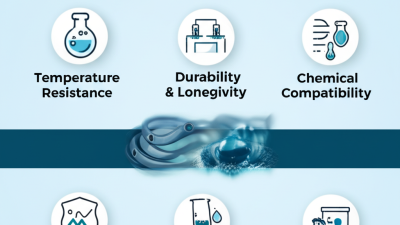
This chart illustrates the key benefits of FKM rubber material for global buyers, highlighting its exceptional properties such as chemical resistance, temperature stability, durability, flexibility, and oil resistance. These characteristics make FKM rubber a preferred choice across various applications.
Cost-Effectiveness of FKM Rubber for Global Buyers
FKM rubber, a high-performance fluoropolymer, offers significant cost-effectiveness for global buyers. Its exceptional resistance to heat, chemicals, and aggressive environments makes it a preferred choice in various industries. According to a report by the American Tire Manufacturers Association, the demand for FKM rubber has surged, reflecting a 15% increase in global consumption over the last five years.
One of the key benefits of FKM rubber lies in its durability. This material can withstand temperatures ranging from -40°C to 250°C, making it ideal for diverse applications like seals and gaskets. The longevity of FKM products can lead to reduced maintenance costs. A study published in the Journal of Polymer Science indicates that FKM exhibits a lifespan up to three times longer than traditional rubber materials under extreme conditions.
Tips: When sourcing FKM rubber, consider supplier certifications. Quality assurance can enhance reliability. Additionally, analyze the long-term savings against initial costs. Investing in high-quality FKM can yield better performance.
Despite its advantages, buyers should acknowledge some challenges. The initial investment for FKM rubber may be higher than alternatives. However, many companies report that the extended lifespan offsets the upfront costs, leading to overall savings. Always balance immediate needs with future performance expectations to make informed decisions.
Environmental Impact and Sustainability of FKM Rubber
FKM rubber, known for its excellent chemical resistance, plays a crucial role in sustainability. Its durability extends product life, reducing waste. Unlike traditional materials, FKM is better for the environment when properly disposed of or recycled. This makes it a preferable option for industries concerned about their carbon footprints.
Environmental impact is significant. While FKM production may have initial energy costs, its longevity means fewer replacements. This cyclical effect aids in reducing overall environmental disruption. However, concerns about the disposal process need addressing. Often, FKM products end up in landfills, where they do not biodegrade. Companies must invest in better recycling methods.
Tips: Consider using FKM in applications where longevity is critical. Evaluating suppliers for their recycling practices can boost sustainability efforts. It's essential to stay informed about advancements in eco-friendly FKM technologies. This proactive approach can create meaningful change in how industries use materials, ensuring accountability in environmental practices.
What is FKM Rubber Material Benefits for Global Buyers? - Environmental Impact and Sustainability of FKM Rubber
| Dimension |
Detail |
| Material Type |
FKM Rubber (Fluoroelastomer) |
| Key Benefits |
High heat resistance, chemical resistance, weather stability |
| Environmental Impact |
Low emissions during production, longevity reduces waste |
| Sustainability |
Can be recycled and reused in some applications |
| Applications |
Automotive seals, aerospace components, industrial gaskets |
| Cost Consideration |
Higher initial cost but long-term savings through durability |
Future Trends in FKM Rubber Material Usage and Innovations
FKM rubber, known for its exceptional thermal stability and chemical resistance, continues to evolve. As global industries seek more efficient materials, innovations in FKM are paving the way. Data from the Global Market Insights report predicts a compound annual growth rate (CAGR) of 5.2% in the FKM market from 2021 to 2028. This surge indicates a growing demand across automotive, aerospace, and industrial applications.
Emerging technologies are enhancing the performance of FKM rubber. For example, the integration of nanomaterials is leading to improved properties like increased elasticity and durability. The rubber’s ability to withstand extreme temperatures, ranging from -20°C to 250°C, is being further optimized. A study by Research and Markets highlights that more companies are investing in environmentally friendly FKM, acknowledging the need for sustainable practices in material sourcing.
Nevertheless, challenges remain. The high production cost of FKM can hinder adoption in some sectors. Moreover, potential buyers often require education on the material's advantages versus the price. As innovations progress, addressing cost issues and promoting awareness will be crucial for widespread acceptance. In this dynamic landscape, the potential of FKM rubber is immense, but reflective efforts are essential to maximize its benefits.
Optimizing Molding Applications with FKM Fluoroelastomer Compounds: A Comprehensive Guide
When it comes to optimizing molding applications, FKM fluoroelastomer compounds stand out as a leading choice due to their unique properties and versatility. Comprising a blend of FKM raw gum, crosslinkers, and fillers, these compounds are designed for immediate use, offering a user-friendly experience for manufacturers. The hardness of FKM compounds can be tailored to fit specific requirements, ranging from 50 to 90 Shore A, making them suitable for a diverse range of applications.
Another significant advantage of FKM compounds is their customizability in terms of color. This feature allows businesses to align their products with branding initiatives or specific aesthetic preferences. Additionally, the shelf life of these compounds, which spans between six to twelve months, ensures that manufacturers can maintain flexibility in production schedules without compromising on material quality. By utilizing FKM fluoroelastomer compounds, companies can enhance their molding processes while benefiting from materials that meet various operational challenges.
FAQS
: FKM rubber is known for its high performance, heat resistance, and chemical durability.
FKM rubber can withstand temperatures from -40°C to 250°C.
FKM rubber lasts up to three times longer than traditional rubber in extreme conditions.
The upfront investment for FKM can be higher, but longevity may lead to overall savings.
FKM's durability reduces waste, but disposal concerns need to be addressed as it doesn’t biodegrade.
Current innovations include integrating nanomaterials to enhance elasticity and durability.
Supplier certifications are crucial for ensuring quality and reliability in FKM sourcing.
The FKM market is expected to grow at a CAGR of 5.2% from 2021 to 2028.
High production costs and the need for education on material benefits can hinder adoption.
Companies should evaluate suppliers' recycling methods and stay informed on eco-friendly FKM advancements.
Conclusion
FKM rubber material, known for its exceptional resistance to heat, chemicals, and aging, offers significant benefits for industrial applications. Its key advantages include superior performance in extreme environments, making it an ideal choice for sectors such as automotive, aerospace, and oil and gas. When compared to other elastomers, FKM rubber stands out due to its durability and versatility, ensuring reliability in various applications.
Global buyers also appreciate the cost-effectiveness of FKM rubber material, as its longevity reduces replacement frequency and maintenance costs. Additionally, the material's production processes are increasingly aligned with sustainability practices, minimizing environmental impact. As innovations and trends in FKM rubber material continue to evolve, it is set to play a crucial role in meeting the growing demands for high-performance materials across diverse industries.