0%

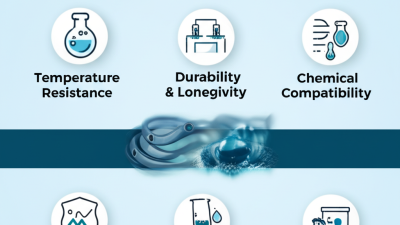
FKM rubber material has really gained a lot of popularity in high-performance settings across different industries. Its unique qualities make it perfect for tough environments. Brands like DuPont and 3M actually use FKM rubber in some of their critical parts. It’s pretty impressive how resistant it is to heat, chemicals, and oils—definitely what sets it apart. In the automotive world, for example, it’s trusted to last through extreme temperatures and harsh conditions. That said, it’s not always cheap, and some folks might wonder if the performance boost is worth the extra bucks. It’s really important to weigh each project’s specific needs and find that sweet spot between cost and performance. Sometimes, figuring out if FKM is the right choice takes a bit of careful thinking. Usually, the best applications really show what this material can do, making it totally worth the investment when used in the right context.

Why is FKM Rubber Material Preferred for High Performance Applications?

Characteristics of FKM Rubber That Enhance Performance in Demanding Environments

FKM rubber, known for its high-performance characteristics, excels in demanding environments. This fluorocarbon elastomer boasts exceptional resistance to heat, chemicals, and aging. In fact, industry reports indicate that FKM can withstand temperatures from -20°C to 200°C. This temperature stability is crucial for applications in aerospace, automotive, and chemical processing.

Another notable feature of FKM rubber is its superior chemical resistance. According to the Rubber Manufacturers Association, FKM can resist many solvents, fuels, and oils, making it ideal for sealing applications. This versatility ensures long-lasting performance where other elastomers might fail. However, select formulations may not provide the same durability in certain harsh environments.

Tip: Always check compatibility with specific chemicals in your application. This ensures the longevity of rubber components.

Despite its advantages, FKM rubber is not without limitations. First, its price point is typically higher than other elastomers. Additionally, the processing of FKM requires specialized techniques. This complexity can lead to manufacturing challenges. Choosing the right formulation is essential to balance performance and cost.

Tip: Evaluate your application needs carefully. This will help in selecting the most effective material without overcommitting resources.

Comparison of FKM Rubber to Other Elastomers in High-Temperature Applications

FKM rubber, known for its outstanding heat resistance, stands out among elastomers. When faced with high temperatures, the performance of FKM remains stable. It can endure extreme environments that could degrade other rubber types. For high-performance applications, durability is key, and FKM excels here.

Compared to silicone or neoprene, FKM offers superior resistance to chemicals and heat. While silicone can handle high temperatures, it lacks chemical resilience. Neoprene may perform well in moderate conditions but fails under extreme thermal stress. Users often overlook these nuances, which can lead to failures in critical applications.

**Tips:** Always evaluate your specific needs. Consider temperature ranges and the types of chemicals involved. This can save time and resources.

Using FKM is often about making the right choice. Some applications might benefit from blending elastomers. A hybrid approach may enhance performance traits. However, mixing can also lead to inconsistencies. Testing is crucial in these cases, as assumptions can lead to failure.

**Tips:** Test various formulations before finalizing your decision. Long-term reliability often depends on thorough assessment and trial and error.

Comparison of Temperature Resistance of Various Elastomers

Chemical Resistance of FKM Rubber: Key Data and Performance Metrics

FKM rubber is a top choice for high-performance applications. Its excellent chemical resistance makes it suitable for extreme environments. In harsh conditions, FKM outperforms many other materials. According to industry reports, FKM exhibits significant resilience to fuels and solvents. This attribute is crucial in industries like automotive and aerospace.

The key data reveals that FKM maintains integrity in temperatures from -15°C to 200°C. It can withstand aggressive chemicals, including acids and oils. Studies show FKM has a break strength of over 20 MPa, making it reliable under stress. However, despite its advantages, FKM isn't immune to degradation from some amines and hot water. This limitation can lead to catastrophic failures if not properly managed.

Testing shows that while FKM exhibits up to 97% resistance to various chemicals, it is essential to understand its limits. Users must consider compatibility based on specific applications. The need for careful selection of materials is always present. Even with high-performance metrics, a risk assessment is necessary. This approach ensures both safety and longevity in critical applications.

Applications of FKM Rubber in Aerospace and Automotive Industries

FKM rubber, known for its outstanding durability and heat resistance, finds extensive use in aerospace and automotive industries. This unique material excels in high-performance environments, where temperatures and pressures can be extreme. In aircraft, FKM rubber seals and gaskets are essential for maintaining fluid integrity and preventing leaks. Its ability to resist fuel and oil is crucial, ensuring safe and efficient operations.

In the automotive sector, FKM rubber is utilized in various applications such as fuel system components and transmission seals. Vehicle performance relies heavily on materials that withstand harsh conditions. FKM provides reliability, ensuring components do not fail under stress. However, not all FKM formulations are created equal. Some may lack the necessary flexibility, leading to potential issues over time.

While FKM rubber shows great promise, there are always areas for improvement. Manufacturers must consistently evaluate their materials. Understanding the limitations of FKM in specific situations is vital. This reflection can drive advancements, ensuring that the most reliable and efficient solutions are provided to industries that depend on high-performance materials.

Lifecycle and Durability of FKM Rubber in Extreme Conditions

Why is FKM Rubber Material Preferred for High Performance Applications?

FKM rubber, known for its superior heat and chemical resistance, thrives in extreme conditions. In high-performance applications, the durability of FKM rubber is especially critical. Reports indicate that FKM can withstand temperatures ranging from -20°C to 250°C. This capability makes it ideal for automotive and industrial sectors where conditions fluctuate dramatically.

While it is indeed a robust material, FKM is not impervious. Prolonged exposure to certain solvents can degrade its properties. It’s vital to assess the specific application environment to ensure longevity. Regular checks can help catch early signs of wear.

**Tips:** Always consider compatibility with chemicals before selection. A small test piece can save a significant amount in future costs. Remember, not all grades of FKM are the same. Some may perform better under pressure than others. Choose wisely based on your needs.

Cost-Benefit Analysis of Using FKM Rubber in High Performance Projects

When evaluating the use of FKM rubber in high-performance applications, the cost-benefit analysis is critical. FKM rubber offers exceptional chemical resistance, heat resistance, and durability. These advantages can lead to lower maintenance costs over time. However, the initial investment in FKM may be higher than other materials. This aspect requires careful consideration.

It’s essential to consider the long-term savings versus upfront costs. Companies might hesitate due to the high price tag. But, when factoring in reduced downtime and fewer replacements, FKM can prove its worth. Choosing cheaper alternatives might save money in the short run, but could result in higher expenses later. This trade-off is vital in project planning.

Each application has unique requirements. Some environments demand extreme resilience, while others may not. Therefore, it’s essential to assess the specific needs carefully. The right choice might not always be clear. Sometimes, engineers must think outside the box to find solutions. Balancing cost and performance often leads to tough decisions.

Future Trends in FKM Rubber Development for Specialized Applications

Why is FKM Rubber Material Preferred for High Performance Applications?

FKM rubber, known for its excellent chemical resistance, continues to evolve in specialized applications. Industries are seeking materials that can withstand extreme temperatures and harsh chemicals. FKM meets these needs, providing durability and reliability.

Future trends indicate a shift towards customization in FKM formulations. Manufacturers are experimenting with additives that can enhance specific properties. This means better wear resistance or improved elasticity in demanding environments. Research is ongoing, and innovations are emerging.

However, challenges remain. The production of advanced FKM materials often requires significant investment in technology. Not all companies can afford this transition. Moreover, sustainability concerns are rising. The industry must find ways to reduce environmental impact while innovating. Balancing performance and eco-friendliness is a point of reflection for many in the field.

FAQS

: What types of materials can I use for crafting?

: You can use paper, fabric, wood, and plastic. Consider recycling items for creativity.

How can I ensure my project is safe for kids?

Use non-toxic materials. Avoid small parts that can be choking hazards. Supervise them closely.

What tools are essential for basic crafting?

Scissors, glue, tape, and a ruler are great starters. A cutting mat helps protect surfaces during work.

How long does a typical crafting project take?

It varies based on complexity. Simple projects might take an hour. Intricate pieces could take days.

Where can I find inspiration for my projects?

Explore online platforms, craft fairs, or local libraries. Nature can also spark unique ideas.

What if I make a mistake during crafting?

Mistakes happen to everyone. Embrace them as learning experiences. You can often repurpose materials.

Conclusion

FKM rubber material is increasingly favored for high-performance applications due to its outstanding characteristics, including excellent thermal stability, chemical resistance, and mechanical strength. In comparison to other elastomers, FKM stands out in high-temperature environments, making it ideal for demanding sectors such as aerospace and automotive industries. Its durability and long lifecycle in extreme conditions further enhance its appeal, providing reliable solutions in critical applications.

Additionally, a cost-benefit analysis reveals that while FKM rubber may have a higher upfront cost, its performance capabilities and longevity can lead to significant savings over time. As ongoing research embraces innovative trends in FKM rubber development, its application spectrum is set to expand, reinforcing its position as a material of choice for specialized high-performance projects.

Eleanor

Eleanor

Eleanor is a seasoned marketing professional at Sichuan Fudi New Energy Co., Ltd, a company that has been at the forefront of fluoroelastomer production since 1998. With over 20 years of experience in the industry, Eleanor possesses an exceptional understanding of fluorinated rubber materials,......
Previous Optimizing Performance: Innovative Solutions Using FKM Material Properties