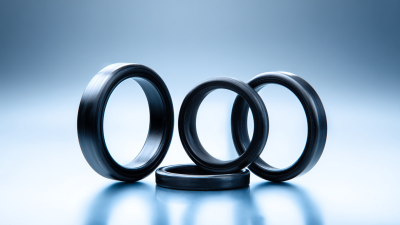
FPM rubber is a pretty amazing material that’s been catching a lot of attention across different industries. Its unique properties make it super useful in a variety of demanding environments. Basically, FPM rubber—also called fluoropolymer rubber—is known for standing up really well against heat, chemicals, and ozone. Because of that, you’ll often see it in sectors like automotive, aerospace, and chemical processing. It’s like the Swiss Army knife of rubbers!
As industries keep evolving, the need for materials that can handle extreme conditions is more important than ever. FPM rubber isn’t just tough; it also stays reliable across a wide range of temperatures. In this piece, I want to give you a quick rundown of what makes FPM rubber special—like its elasticity, resilience, and ability to handle heat—plus, I’ll touch on some of the main ways it’s used, which is why so many engineers and manufacturers love it.
We’ll dig into the mechanical and thermal properties of FPM rubber and see how those traits actually benefit real-world applications. By getting a good grasp on what makes FPM rubber tick, professionals can make smarter decisions that improve product durability and quality—something that’s crucial in today’s challenging engineering landscape.

Understanding the Basics of FPM Rubber and Its Composition
FPM rubber, commonly known as fluorocarbon rubber, is renowned for its exceptional chemical resistance and thermal stability. The composition of FPM rubber includes vinylidene fluoride and hexafluoropropylene as its primary monomers. This unique blend results in a highly versatile elastomer that exhibits outstanding resistance to various corrosive chemicals, oils, and solvents, making it suitable for demanding applications in industries such as automotive, aerospace, and chemical processing.
The molecular structure of FPM rubber features strong carbon-fluorine bonds, contributing to its superior mechanical properties and durability. This robustness allows FPM to maintain its flexibility and integrity under extreme temperatures, typically ranging from -20°C to 200°C, without compromising performance. Additionally, FPM's low permeability to gases enhances its functionality in seals and gaskets, ensuring a reliable barrier against leaks. Understanding these fundamental properties of FPM rubber is crucial for engineers and designers seeking optimal performance in their specific applications.
Understanding FPM Rubber Properties and Applications for Optimal Performance
This chart illustrates the key properties of FPM rubber commonly assessed for its performance in various applications. The properties include tensile strength, elongation at break, hardness, and temperature resistance, which are critical for ensuring optimal performance in harsh environments.
Key Physical Properties of FPM Rubber: A Detailed Overview
Fluoroelastomer (FPM) rubber is renowned for its exceptional resistance to high temperatures, chemicals, and weathering, making it a preferred material in various industrial applications. One of the core physical properties of FPM rubber is its thermal stability, with operating temperatures reaching up to 200°C (392°F) in continuous service. This capability is crucial for industries such as automotive and aerospace, where components must withstand extreme conditions. Moreover, FPM maintains its elasticity and mechanical integrity even when exposed to aggressive chemicals, allowing it to be used in seals, o-rings, and gaskets where conventional elastomers would degrade.
In addition to thermal and chemical resistance, FPM rubber exhibits impressive tensile strength, typically around 12-20 MPa, which contributes to its durability and wear resistance. This strength is essential in applications that require reliability, such as in petrochemical systems, where exposure to oil and fuel can compromise weaker materials. The friction coefficient of FPM rubber also plays a significant role in its performance; it generally ranges from 0.5 to 1.0, allowing for effective sealing properties while minimizing wear during operation.
As industries continue to push the boundaries of performance and efficiency, understanding the key physical properties of FPM rubber is vital for selecting the right materials that optimize functionality and safety across various applications.
Chemical Resistance of FPM Rubber in Various Environments
FPM rubber, or fluoroelastomer, is renowned for its exceptional chemical resistance, making it the material of choice in a variety of demanding environments. Research has shown that FPM rubber exhibits outstanding resilience against aggressive chemicals, including acids, bases, and oils. According to a report from the American Chemical Society, FPM rubber retains its integrity in conditions involving temperature fluctuations and exposure to corrosive substances, maintaining superior performance compared to other elastomers. In applications such as automotive and aerospace industries, the longevity and reliability of FPM components significantly reduce maintenance costs.
The versatility of FPM rubber extends to its ability to withstand varying environmental conditions. For instance, performance assessments indicate that FPM can operate effectively in temperatures ranging from -20°C to 200°C, with some formulations capable of enduring even more extreme conditions. A comprehensive study in the "Journal of Polymer Science" highlights that FPM rubber's chemical resistance allows it to endure aggressive solvents like ketones and esters, making it ideal for applications in chemical processing and manufacturing. This unique property not only enhances performance but also contributes to safety by minimizing the risk of material failure in critical applications.
Applications of FPM Rubber in Industrial and Commercial Sectors
FPM rubber, also known as fluoroelastomer, has become a cornerstone material in various industrial and commercial applications due to its exceptional resistance to heat, chemicals, and aging. In the automotive sector, FPM rubber is widely used for seals, gaskets, and O-rings, where it effectively withstands harsh environments and contributes to improved performance and longevity of components. Its ability to maintain mechanical properties even at high temperatures makes it particularly valuable in engine systems and fuel handling applications, where it can endure exposure to aggressive fuels and oils without degrading.
In the chemical processing industry, FPM rubber serves as a reliable choice for valves, pumps, and tubing, ensuring safe handling of various aggressive substances. Its non-porous nature prevents fluid permeation, making it effective in maintaining process integrity. Additionally, FPM rubber is utilized in pharmaceutical and food processing applications where compliance with rigorous standards is mandatory. The material's resistance to sterilization processes and its ability to prevent contamination greatly enhance its usability in these sensitive environments, proving that FPM rubber is an indispensable material for maintaining operational efficiency and safety across diverse sectors.
Performance Optimization Techniques for FPM Rubber Products
To optimize the performance of FPM (Fluoroelastomer) rubber products, several techniques can be employed during both the formulation and manufacturing processes. One key approach is the careful selection of fillers, which can enhance the mechanical properties of the elastomer. Fillers such as carbon black or silica not only improve strength and tear resistance but also contribute to the thermal stability and chemical resistance of the final product. Balancing the type and amount of filler is crucial, as over-filling can lead to reduced elasticity and flexibility.
Another performance optimization technique involves the use of specific curing agents that promote crosslinking within the rubber matrix. Optimizing the curing process—such as adjusting temperature and time—can lead to significant improvements in the rubber's resilience and longevity. Additionally, incorporating various processing aids can enhance the workability of FPM rubber during manufacturing, ensuring that the final products meet stringent performance criteria. Advanced compounding techniques, such as reactive extrusion or dynamic vulcanization, can also be employed to further enhance the mechanical properties and overall performance of FPM rubber products. By applying these techniques effectively, manufacturers can develop high-performance solutions that meet the rigorous demands of various industries.
Comparing FPM Rubber with Other Elastomers for Specific Uses
FPM rubber, or fluorine rubber, exhibits exceptional resistance to heat, chemicals, and aging, making it a preferred choice in demanding applications. When comparing FPM with other elastomers such as EPDM (ethylene propylene diene rubber) and NBR (nitrile rubber), the superior performance of FPM becomes evident. According to a report by the Rubber Manufacturers Association, FPM rubber can withstand temperatures ranging from -20°C to 250°C, while EPDM and NBR typically excel only within -50°C to 120°C and -40°C to 120°C, respectively. This high thermal stability is crucial for applications in automotive, aerospace, and industrial sectors where materials often encounter extreme conditions.
Moreover, FPM rubber's resistance to aggressive chemicals like acids, solvents, and oils further sets it apart. While NBR is widely recognized for its oil resistance, it lacks the chemical compatibility and thermal durability of FPM. In a study conducted by the American Chemical Society, FPM demonstrated a significantly lower volume swell when exposed to various fuels and aggressive solvents compared to NBR and EPDM, marking it as a more reliable material for fuel seals and gaskets. Consequently, industries looking for reliable performance in harsh environments often favor FPM rubber, particularly when safety and durability are at the forefront of design considerations.
Future Trends in FPM Rubber Development and Innovations
The future of FPM rubber development is poised for exciting advancements driven by technological innovations and increasing demand for high-performance materials. Researchers are focusing on enhancing the thermal stability and chemical resistance of FPM rubber, targeting applications in industries such as automotive, aerospace, and oil & gas. Innovations like the incorporation of nanotechnology are expected to significantly improve the mechanical properties of FPM rubber, leading to lighter and more durable products that can withstand extreme conditions.
Tips: When selecting FPM rubber for your specific application, consider not only its chemical compatibility but also the environmental conditions it will face. Collaborating with materials scientists can lead to customizing formulations that maximize performance.
Sustainability is also becoming a crucial factor in the development of FPM rubber. Manufacturers are increasingly exploring bio-based alternatives and recycling methods to reduce the environmental impact of traditional rubber production. This alignment with global sustainability goals will not only address regulatory challenges but also appeal to eco-conscious consumers.
Tips: Stay informed about the latest sustainability practices within the rubber industry, as these can provide competitive advantages in design and manufacturing. Collaborating with suppliers who prioritize sustainable practices can enhance your brand’s reputation and product lifecycle.
Understanding Fpm Rubber Properties and Applications for Optimal Performance - Future Trends in FPM Rubber Development and Innovations
| Property |
Description |
Typical Application |
Future Trends |
| Temperature Resistance |
Can withstand high temperatures up to 200°C. |
Aerospace seals, automotive fuel systems. |
Development of higher temperature resistant compounds. |
| Chemical Resistance |
Excellent resistance to various chemicals, oils, and fuels. |
Chemical processing equipment, oil rigs. |
Enhanced chemical resistance formulations. |
| Mechanical Properties |
High tensile strength and elasticity. |
Manufacturing gaskets, O-rings. |
Innovations in composite materials for greater durability. |
| Weather Resistance |
Resistant to UV and ozone degradation. |
Outdoor sealing applications. |
Formulations with improved UV resistance. |
| Sustainability |
Emerging focus on eco-friendly materials. |
Green technology applications. |
Development of biodegradable FPM substances. |
FAQS
: FPM rubber, also known as fluoroelastomer, is notable for its exceptional chemical resistance, making it ideal for demanding environments, particularly in industries such as automotive and aerospace where reliability and longevity are crucial.
FPM rubber is resistant to aggressive chemicals, including acids, bases, oils, and solvents like ketones and esters, which enhances its suitability for applications in chemical processing and manufacturing.
FPM rubber can effectively operate in a temperature range from -20°C to 200°C, with certain formulations able to withstand even more extreme temperatures.
Performance can be optimized through careful selection of fillers, curing agents, and adjustments in the curing process, which can enhance properties such as strength, durability, and chemical resistance.
Fillers, such as carbon black or silica, enhance the mechanical properties, thermal stability, and chemical resistance of FPM rubber, but the type and amount must be balanced to avoid compromising elasticity.
Curing agents promote crosslinking within the rubber matrix, leading to improved resilience and longevity of the rubber product through an optimized curing process.
Advanced compounding techniques like reactive extrusion and dynamic vulcanization are used to enhance the mechanical properties and overall performance of FPM rubber products during manufacturing.
The chemical resistance of FPM rubber minimizes the risk of material failure in critical applications, thus contributing to overall safety in various industrial environments.
Balancing filler content is important because over-filling can lead to reduced elasticity and flexibility, affecting the performance of the final product.
Incorporating various processing aids can enhance the workability during manufacturing, ensuring that FPM rubber products meet stringent performance criteria.
Conclusion
FPM rubber, known for its exceptional properties, is increasingly recognized for its versatile applications across various industries. The material's composition and key physical properties, including its high-temperature resistance and durability, make it an ideal choice for demanding environments. Additionally, FPM rubber exhibits impressive chemical resistance, allowing it to perform effectively in various harsh conditions.
As industries continue to evolve, the optimization of FPM rubber products through advanced techniques is becoming crucial. This ensures not only improved performance but also supports the exploration of new applications in both industrial and commercial sectors. By comparing FPM rubber with other elastomers, stakeholders can understand its unique advantages for specific uses. Moreover, future trends in FPM rubber development and innovations promise to enhance its performance further, paving the way for its expanded use in emerging technologies.