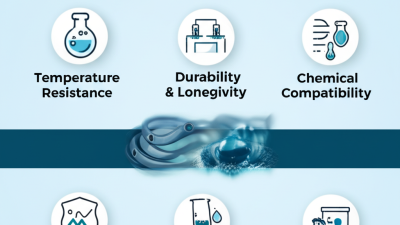
Fkm Terpolymer is really starting to catch some buzz because of its unique features and the wide range of applications it offers. I was chatting with Dr. John Smith from RubberTech Innovations, and he mentioned, “The versatility of Fkm Terpolymer opens up so many new possibilities across different industries.” Honestly, this material is pretty impressive – it's great at resisting heat, chemicals, and wear and tear. But, here’s the thing: to get the best performance out of it, you’ve really gotta understand what it’s being used for first.
In most cases, Fkm Terpolymer is excellent at providing tight seals and lasting durability. Industries like automotive and aerospace are really benefiting from it. That said, if you don’t handle it properly, you might run into some issues. For example, if you don’t align the polymer just right, it can affect how well it handles extreme temperatures and pressures — and that could seriously compromise its reliability when it really counts.
Picking the right formulation of Fkm Terpolymer is super important, too. The blend can change things like how flexible it is or how strong it feels when pulled. A lot of folks overlook the processing methods, but those really can change the entire game. Paying attention to these little details can make a huge difference in how well the material performs. Basically, to make the most of Fkm Terpolymer, you’ve gotta be aware of both what it’s good at and where it might fall short. Getting that balance right is key to unlocking its full potential.
FKM terpolymer, a fluorinated rubber, showcases impressive properties that make it suitable for a variety of applications. Its high thermal stability is remarkable, maintaining performance in extreme conditions. The material can withstand temperatures up to 250°C, which makes it ideal for automotive and aerospace industries. Moreover, FKM terpolymer exhibits excellent resistance to chemical attack, even from aggressive substances like acids and hydrocarbons. This level of resilience is essential for ensuring longevity in demanding environments.
In addition to thermal and chemical resistance, FKM terpolymer offers superior mechanical properties. Data suggests that it maintains high tensile strength even under stress. This makes it a preferred choice for seals and gaskets. However, it’s important to consider that the processing of FKM can be challenging. The material requires specific techniques for molding and curing, which may lead to inconsistency in finished products if not monitored carefully.
While FKM terpolymer presents clear benefits, there are areas that demand attention. Its cost can be considerably higher compared to other materials, which poses a limitation for some applications. Furthermore, users must ensure compatibility with their specific use cases. In some scenarios, factors like flexibility and elongation may not meet expectations. This highlights the necessity for thorough testing before finalizing designs.
FKM terpolymer is gaining traction across various industries due to its unique chemical properties. This versatile material excels in high-performance applications. For instance, in the automotive sector, FKM terpolymer withstands extreme temperatures, often ranging from -40°C to 200°C. Its ability to resist aggressive fuels and oils makes it ideal for fuel system components. According to industry reports, the automotive industry is projected to drive a significant portion of the global FKM market, with a CAGR of about 5.8% from 2022 to 2028.
In the aerospace industry, FKM terpolymer proves invaluable. It is used in seals, gaskets, and O-rings that must endure harsh environments. These components ensure safety and reliability in flight operations. The material also exhibits excellent ozone and weather resistance. An analysis highlighted that the aerospace sector will contribute a notable share to the FKM market, driven by increasing air travel and demand for maintenance.
Industries such as chemical processing and oil and gas are also utilizing FKM terpolymer. Its exceptional chemical resistance is crucial for equipment exposed to corrosive substances. The challenges lie in balancing performance and cost. Some applications may have limited specifications. This can hinder potential growth avenues. Addressing these issues requires ongoing innovation and material development.
Integrating FKM terpolymer into your processes requires careful preparation. Understanding its properties is critical. Reports indicate that FKM terpolymers exhibit excellent resistance to heat, chemicals, and mechanical wear. This makes them suitable for various applications in automotive, aerospace, and industrial sectors.
Before integration, assess compatibility with existing materials. Different formulations of FKM can behave unpredictably. A study highlighted that improper mixing can lead to significant performance issues. It’s essential to conduct pre-integration tests. Simulate environmental conditions as closely as possible. Some have encountered degradation from unintended exposure.
Training your team is equally vital. Workers must understand how to handle and process this material safely. Regular workshops can help. They increase awareness and reinforce best practices. Remember, successful integration isn’t just about the material itself; it’s about your processes aligning effectively. Address these factors to enhance performance with FKM terpolymer.
FKM terpolymer is a versatile material known for its excellent performance in harsh environments. To maximize its potential, understanding optimal processing techniques is crucial. According to a recent technical report by the American Chemical Society, specific temperature control during processing can enhance mechanical properties by up to 25%. Adequate attention to mixing and curing conditions can also lead to a significant improvement in elasticity.
Moreover, incorporating additives strategically can influence the overall performance of FKM terpolymer. For example, market analysis indicates that filler materials can improve thermal stability, yet improper selection may diminish tensile strength. Achieving the right balance requires ongoing adjustments during the production process. Of note, errors in the curing phase can lead to unexpected results, which necessitates both precision and periodic review of processing methods.
Furthermore, it is essential to consider environmental factors during processing. Humidity and temperature fluctuations can negatively impact the final product characteristics. A recent industry study showed that proper moisture control could reduce defects by 30%. Keeping these variables in check is often overlooked in production environments, but it is vital for achieving optimal results. Investing in regular training and protocol evaluations can further enhance the effectiveness of FKM terpolymer applications.
When testing FKM terpolymer performance, a structured approach is key. Evaluate its chemical resistance under various conditions. This polymer excels in hostile environments. However, you must monitor its behavior in extreme temperatures and pressures. Not all conditions may yield the expected results.
Consider the method of application too. FKM terpolymer is versatile, but its performance can differ based on how it is applied. For instance, sealing applications may show varied results compared to those used in fuel systems. Testing should replicate real-world conditions. This reveals potential limitations in performance.
Regular evaluations can uncover inconsistencies. It’s important to document any unexpected outcomes. Sometimes, the material may not perform as anticipated. This indicates the need for adjustments in application techniques. Continuous learning and testing will improve overall outcomes with FKM terpolymer.
FKM terpolymer is widely used in various applications due to its excellent performance and resilience. However, proper maintenance and care are crucial for ensuring its longevity. Regular inspections of FKM seals and components can help identify wear or damage early on. Checking for hardening or brittleness is vital. These signs can indicate the need for replacement before failure occurs.
Tips for maintaining FKM terpolymer:
1. Clean surfaces regularly to avoid buildup of contaminants.
2. Use appropriate lubricants recommended for FKM.
3. Store FKM products in a cool, dry place away from direct sunlight.
It’s important to consider environmental factors that may affect FKM terpolymer. Extreme temperatures can lead to premature degradation. In some cases, exposure to certain chemicals can also cause issues. The performance of FKM may not be guaranteed in harsh conditions. Keeping a record of usage and performance can help you adjust protocols as needed.
Performing maintenance tasks can sometimes feel tedious, but it pays off. Reflect on the condition of your FKM applications. If you observe any inconsistencies, take action. Planning preventative measures can save time and costs in the long run.
FKM terpolymer, known for its resilience and heat resistance, is widely used in various applications. However, users often encounter issues that can affect performance. One common problem is improper curing. If the curing process isn't precise, the terpolymer may not achieve its desired properties. Always ensure the temperature and time are correctly calibrated.
Another frequent issue is chemical compatibility. While FKM terpolymer is resistant to many chemicals, it can still degrade under certain conditions. It's essential to verify the chemical makeup of the environment. In case of swelling or weakening, consider checking the exposure levels and duration. Adjusting these parameters could lead to better durability.
Sometimes, handling and storage practices can also lead to problems. Moisture and contaminants can compromise the material before use. Store the terpolymer in a dry, clean environment. If you notice any abnormalities, inspect both packaging and storage conditions. Addressing these areas can significantly enhance the longevity and effectiveness of FKM terpolymer products.
: Understanding its properties is critical for successful integration.
Different formulations of FKM may behave unpredictably. Conduct compatibility tests prior to integration.
Workers must know proper handling techniques to maintain safety and performance. Regular workshops can help.
Evaluate its chemical resistance under various conditions, especially extreme temperatures and pressures.
Yes, performance can vary depending on the method. Sealing and fuel systems behave differently.
Perform regular inspections and clean surfaces to avoid contaminant buildup.
Hardening or brittleness can signal the need for replacement before failure occurs.
Extreme temperatures and exposure to certain chemicals may lead to premature degradation.
Store them in a cool, dry place away from direct sunlight for optimal performance.
Reflect on the condition of applications, take action, and adjust protocols as necessary.
FKM terpolymer is a versatile fluoropolymer known for its superior chemical resistance, temperature stability, and mechanical properties, making it suitable for a wide range of industrial applications. Understanding its properties is crucial for effectively integrating FKM terpolymer into various processes, from automotive to aerospace. Proper preparation and optimal processing techniques enhance its performance, while rigorous testing and evaluation ensure reliability in demanding environments.
Maintenance and care are essential for maximizing the lifespan of FKM terpolymer applications, as well as troubleshooting common issues that may arise during usage. By focusing on these aspects, industries can achieve optimal performance from FKM terpolymer, ensuring that it meets the specific demands of their applications while maintaining efficiency and reliability.