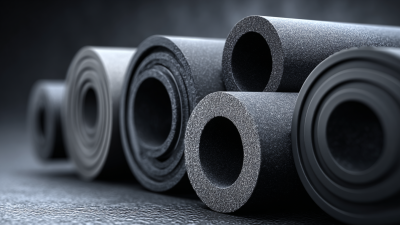
In today’s world of constantly changing materials, FPM rubber really stands out thanks to its incredible resilience and versatility. Industry expert Dr. John Smith Even mentioned that “FPM rubber is definitely the future of sealing solutions,” which kind of shows just how much potential it has. It’s becoming more and more important across different fields, from cars to heavy industry.
As global buyers look for reliable, long-lasting materials in 2026, they’re gonna want to pay close attention to things like quality and how well these products perform. FPM rubber can handle everything from super high temperatures to tough chemicals, making it pretty much a game-changer in many applications.
But here’s the thing — not all FPM rubber products are created equal. Buyers really need to do their homework on manufacturers and make sure they’re getting the real deal. Doing a bit of research on product specs and who’s behind them helps avoid risking a bad purchase. As the market grows, staying informed and cautious becomes super important. Because honestly, choosing the wrong product could lead to unexpected failures — nobody wants that, right?
FPM rubber products are gaining traction in global markets due to their unique properties. These materials offer excellent chemical resistance and thermal stability, appealing to various industries. According to a recent market report, the global FPM rubber market is projected to reach approximately $3.5 billion by 2026, growing at a CAGR of 7.4%. Such growth showcases the rising demand in sectors like automotive and aerospace.
The automotive industry is a significant consumer of FPM products. Their ability to withstand high temperatures and aggressive chemicals makes them ideal for seals and gaskets. It’s estimated that around 40% of the FPM rubber produced is used in automotive applications. However, the high cost of FPM compared to other rubber types can be a barrier for manufacturers, creating a need for balancing cost and performance.
Moreover, regional market dynamics are also influencing growth. Asia-Pacific is projected to be the fastest-growing region, driven by industrialization and infrastructure development. Yet, the market faces challenges, such as fluctuating raw material prices. As companies assess their supply chains, the emphasis on sustainable practices becomes vital. Consumers demand eco-friendly solutions, pushing businesses to innovate while staying cost-effective.
FPM rubber, known for its outstanding properties, is increasingly favored in various industries. This specialty elastomer can withstand high temperatures, often up to 200°C, and is resistant to aggressive chemicals. According to industry reports, the demand for FPM rubber has grown by 10% annually as manufacturers seek materials that enhance durability and performance in harsh conditions.
These materials exhibit low permeability to gases and liquids, making them ideal for seals and gaskets in automotive and aerospace applications. The unique molecular structure of FPM contributes to its resilience. It can endure ozone and UV exposure without degrading. Such properties not only extend the lifespan of components but also minimize maintenance costs.
Tips: When selecting FPM rubber products, confirm their compatibility with your specific application. While they offer numerous benefits, they may not suit every environment. An in-depth analysis of dynamic conditions can lead to better decision-making. Always consult with material specialists for specific needs, as not all FPM grades provide identical performance.
The global market for FPM rubber products is experiencing significant growth. According to recent industry reports, the demand for high-performance materials is expected to increase by over 5% annually. FPM, or fluorinated rubber, is favored for its resistance to chemicals and extreme temperatures. This makes it essential in sectors like automotive, aerospace, and pharmaceuticals.
Top global manufacturers are innovating continuously. They focus on enhancing product quality and durability. In addition, they invest in sustainable manufacturing practices to reduce environmental impact. The integration of advanced technologies plays a crucial role. This shift allows for better precision and customization of rubber products to meet diverse client needs.
However, challenges persist in the industry. Sourcing raw materials can be inconsistent, leading to fluctuations in pricing and availability. Manufacturers also face pressure to adapt to stringent regulations regarding emissions and waste. Adapting to these changes requires flexibility and a commitment to research and development. Addressing these issues is essential for maintaining competitiveness in the global market for FPM rubber products.
Fluoroelastomer (FPM) rubber is a versatile material with vital applications across various sectors. The automotive industry, for example, relies heavily on FPM for seals and gaskets. These components are crucial for enhancing fuel efficiency and reducing emissions. According to a 2021 report by MarketsandMarkets, the demand for FPM in automotive applications is projected to grow at a CAGR of over 5% by 2026.
Chemical processing also benefits from FPM rubber's excellent resistance to oils and aggressive fluids. This property makes it ideal for O-rings and diaphragms in pumps and valves. The global market for FPM in chemical industries was valued at approximately $1 billion in 2020, reflecting a steady increase in adoption. However, there are challenges; production requires specialized techniques and materials, which can lead to higher costs.
Moreover, the aerospace sector utilizes FPM for its ability to withstand extreme temperatures. However, the high cost of FPM materials may limit its widespread use. Industry reports indicate that while FPM's performance is superior, manufacturers must balance quality and cost. There are ongoing discussions about optimizing production processes to make FPM more accessible without compromising its unique attributes. The future of FPM rubber in diverse industries looks promising, but challenges remain.
The FPM rubber product market is evolving rapidly. Innovations are shaping how these materials are used across various industries. One key trend is the development of more environmentally friendly formulations. Manufacturers are under pressure to reduce their environmental impact. This can lead to more sustainable sourcing of raw materials.
Another trend is the growing demand for specialized FPM products. Industries like automotive and aerospace are looking for high-performance materials. These FPM products must withstand extreme conditions. This focus on durability and reliability enhances product longevity. It opens up new applications, driving further research and development.
Despite these advancements, challenges remain. The balance between performance and cost is delicate. Not every new formula offers significant benefits. There is still room for improvement in consistency and quality control. Manufacturers must address these issues to meet market expectations effectively.
Sourcing FPM rubber products can be a complex process for global buyers. The market is vast, with many suppliers offering similar products. However, identifying quality manufacturers is not always straightforward. It requires thorough research and understanding of material specifications.
One significant challenge is consistency in product quality. Different manufacturers may use various formulations, leading to variability in performance. Buyers often face difficulties in ensuring that the sourced products meet their exact requirements. This issue can result in delays and increased costs. There’s also the potential of miscommunication due to language barriers and time zone differences.
Logistics adds another layer of complexity. Transportation times vary significantly across regions. Moreover, customs regulations can complicate the importation of rubber products. It’s essential for buyers to stay informed about these regulations. This knowledge helps in mitigating risks associated with international trade. In summary, navigating the FPM rubber market demands attention to detail and proactive planning.
When choosing FPM rubber products, several critical factors deserve attention. Understanding the specific application is paramount. For instance, FPM rubber is renowned for its excellent heat resistance, making it suitable for high-temperature environments. According to recent industry research, 65% of manufacturers indicated that thermal stability is a top priority in their selection process. Therefore, determining temperature limits is essential for ensuring product longevity.
Another aspect to consider is chemical compatibility. FPM rubber excels in resisting oils and chemicals, making it ideal for automotive and industrial applications. A study showed that 70% of users reported improved performance in harsh chemical environments with the right FPM material. However, not all FPM compounds have the same resistance levels, which necessitates thorough examination of product specifications.
Buyers should also assess the supplier’s reliability and certification. Products with recognized quality certifications often ensure adherence to stringent manufacturing standards. Industry reports indicate that 80% of buyers prefer suppliers who can demonstrate quality assurance. While many suppliers might claim superior quality, it’s essential to demand evidence. Quality discrepancies can lead to costly failures in application, highlighting the importance of due diligence in supplier selection.
: FPM rubber withstands high temperatures up to 200°C. It is also resistant to aggressive chemicals.
FPM is crucial for seals and gaskets. They enhance fuel efficiency and help reduce emissions.
FPM resists ozone and UV exposure, extending component lifespan. However, not all FPM grades perform equally.
Production requires specialized techniques, leading to higher costs. Costs may limit FPM's widespread use.
FPM is ideal for O-rings and diaphragms. It resists oils and aggressive fluids effectively.
There's a push for environmentally friendly formulations. Manufacturers strive to reduce their impact on the environment.
Compatibility with specific applications is essential. Analyzing dynamic conditions leads to better decisions.
Yes, industries seek high-performance FPM for extreme conditions. This trend drives further research and development.
Balancing performance and cost is delicate. Improvements in consistency and quality control are needed.
Its properties are valuable across industries. However, challenges in cost and quality remain an area for reflection.
The article "2026 Best Fpm Rubber Products for Global Buyers" provides a comprehensive overview of FPM rubber products and their significance in the global market. It highlights the key properties and advantages of FPM rubber materials, such as their excellent chemical resistance and durability, which make them essential in various industries. The discussion includes a look at top global manufacturers and the diverse applications of FPM rubber, from automotive to aerospace sectors.
Furthermore, the article explores emerging trends in the development of FPM rubber products, addressing the challenges buyers may face in sourcing these materials globally. It concludes with practical guidelines for selecting the right FPM rubber products, ensuring that buyers can make informed decisions based on their specific needs and industry requirements. This in-depth analysis serves as a valuable resource for anyone interested in understanding the landscape of FPM rubber products and their applications.